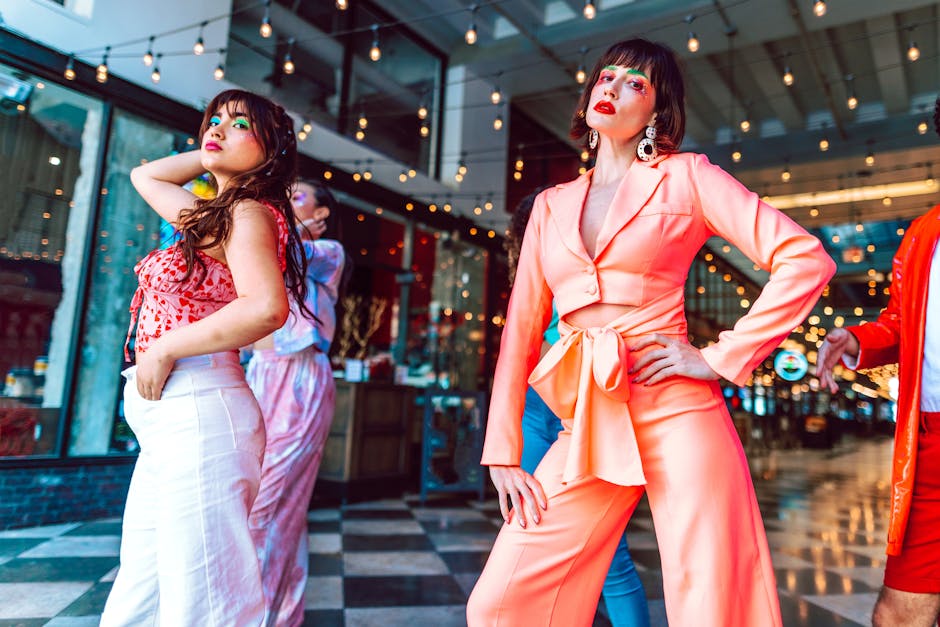

You’ve probably heard about the flashy and over-the-top style of chino antrax vestimenta. It’s a look that’s hard to miss. This article is all about breaking down that style—what he wore, the brands he favored, and the overall aesthetic that made him stand out.
We’re not here to judge; we’re here to understand. So, let’s dive into the details. From his signature shirts to his luxury accessories, we’ll cover it all.
Think of this as an investigation into a unique and influential subcultural dress code. Ready to explore?
The Man Behind the Brands: Context for the Style
José Rodrigo Aréchiga Gamboa, better known as ‘El Chino Ántrax,’ was a high-profile figure within the Sinaloa Cartel. Unlike older, more discreet cartel members, he embraced a flashy public persona on social media.
His posts were a showcase of extreme luxury. Fashion played a central role in his image. He wore designer labels and expensive accessories, making his style highly visible.
This visibility contributed to the rise of the ‘narco-aesthetic’ in popular culture. Specific brands became status symbols, reflecting wealth and power. His clothing choices were deliberate, building a larger-than-life, intimidating, and wealthy identity.
He earned the nickname ‘Cartel’s James Bond.’ His sharp, albeit flashy, dressing reinforced this image. Chino Antrax vestimenta was a key part of his strategy to project power and influence.
If you’re looking to understand the impact of his style, focus on how specific brands and fashion choices can create a powerful, if controversial, public image.
Core Components of the Signature Look
When it comes to the signature look, tops are where you start. Designer T-shirts and polo shirts with large, recognizable logos or bold, graphic designs are key.
Philipp Plein, for example, is a go-to brand. Their skulls and rhinestones make a statement, and you can’t miss them.
For pants, expensive, well-fitted designer jeans are a must. True Religion and other high-end labels fit the bill. They’re not just about comfort; they’re about making a statement.
Accessories are crucial. Extravagant watches from brands like Hublot, Audemars Piguet, or diamond-encrusted Rolexes are status symbols. These aren’t just timepieces; they’re a way to show off your success.
Designer belts with prominent buckles, like those from Hermes or Ferragamo, add that extra touch. They’re small but pack a big punch in terms of style and status.
Luxury sneakers or shoes complete the look. Think about brands that are known for their quality and design. They need to be both comfortable and stylish.
The overall aesthetic goal, and to project wealth and power overtly. Brand recognition is paramount.
It’s all about making sure everyone knows you mean business.
Pro tip: The chino antrax vestimenta adds a unique, sophisticated edge to any outfit. It’s a subtle yet powerful addition to your wardrobe. learn more
The Specific Brands that Defined the Aesthetic
Philipp Plein: This was arguably the most associated brand, favored for its aggressive, opulent, and rebellious designs. Think of it like a rock concert on a shirt—skulls and crystals everywhere.
Versace: The iconic Medusa head logo and baroque patterns on shirts and accessories signified classic luxury. It’s like wearing a piece of art, but one that everyone recognizes.
Gucci & Louis Vuitton: Monogrammed items, from belts to shoes, were clear and immediate indicators of wealth. These brands were like the VIP pass to the high life.
Ed Hardy: This brand was a nod to the earlier 2000s narco-fashion trend, known for its tattoo-style graphics. It laid some groundwork for the look, like a rough sketch before the final masterpiece.
High-End Watchmakers: Brands like Hublot and Audemars Piguet were crucial. The watch was often the most expensive and significant part of an outfit. Imagine a crown on a king—it’s the final touch that makes the whole ensemble regal.
Pro Tip: When you see chino antrax vestimenta, think of it as the uniform of this aesthetic. It’s not just clothing; it’s a statement.
The Lasting Influence on ‘Buchón’ and ‘Alucín’ Culture
High-fashion, logo-heavy styles have made a big impact on modern subcultures in Mexico and the US. You see it in the ‘buchón’ and more recent ‘alucín’ trends.
Young people are all about emulating this look. They mix luxury brands with streetwear to project an image of success and power. It’s a way to stand out and make a statement.
This aesthetic is everywhere. Check out regional Mexican music videos and social media. You’ll see it in full force.
It’s not just a trend; it’s a cultural staple.
The chino antrax vestimenta is a prime example. It’s become a symbol of status and influence. People either love it or hate it, but they can’t ignore it.
Critics say it’s too flashy and materialistic. But for many, it’s a way to express themselves and show their aspirations. It’s been both criticized and copied, becoming a recognizable fashion archetype.
Understanding these trends can help you stay in the loop. Whether you’re into fashion or just curious, knowing what’s in and why can give you a leg up.
A Summary of a Hyper-Luxury Wardrobe
The essential elements of this hyper-luxury wardrobe include bold designer shirts, premium jeans, and statement-making luxury accessories. The core philosophy of the chino antrax vestimenta was to overtly display wealth through recognizable high-fashion brands. Key names such as Philipp Plein, Versace, and Hublot were the pillars of this specific style.
Understanding this fashion is key to understanding a specific cultural moment where social media and narco-culture intersected. This style consists of a bold, unapologetic blend of high-end fashion and opulent accessories, reflecting a unique intersection of culture and wealth.
 Brandeeta Higdon has opinions about esports updates and highlights. Informed ones, backed by real experience — but opinions nonetheless, and they doesn't try to disguise them as neutral observation. They thinks a lot of what gets written about Esports Updates and Highlights, Player Strategy Guides, Upcoming Game Releases is either too cautious to be useful or too confident to be credible, and they's work tends to sit deliberately in the space between those two failure modes.