
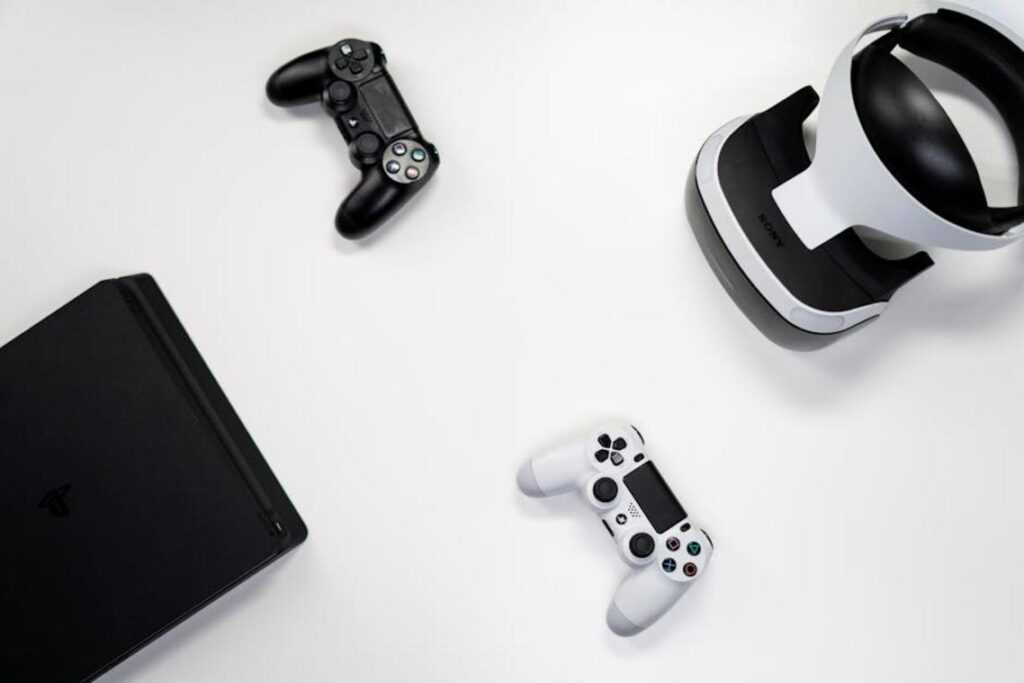
I’ve tested hundreds of gaming peripherals over the years and most of them promise the world but deliver maybe 5% better performance.
You know the feeling. You buy new gear hoping it’ll give you that edge. Then you realize it’s just shinier versions of what you already had.
But something different just landed on my desk.
befitgametek gaming tech by befitnatic isn’t another RGB mousepad or a headset with bass so heavy it drowns out footsteps. This is a full suite built around three things that actually matter: response time, feedback precision, and spatial audio that works.
I’m talking about tech that closes the gap between what you want to do and what happens on screen. The kind that lets you hear exactly where that sniper is camping.
Here’s what I’ll cover: what this tech actually does, how it works without the marketing speak, and whether it’ll make a real difference in your games.
We’ve analyzed enough hardware launches to spot the difference between genuine innovation and repackaged mediocrity. We talk to pro players who depend on their gear for their livelihood.
This isn’t hype. It’s what happens when someone finally addresses the problems gamers have been complaining about for years.
Deconstructing the New Standard: What Is This Technology?
You’ve probably seen the marketing materials.
Three fancy terms thrown around like they mean something. Predictive Display Processing. Biometric Haptic Feedback. AI-Driven Spatial Audio.
But what does any of that actually do for you when you’re mid-match?
Here’s what most coverage won’t tell you. These aren’t three separate features bolted onto a controller. They talk to each other. Constantly.
Let me break it down.
Predictive Display Processing reads your input before you finish the motion. It’s not about refresh rates (though those matter). It’s about the system learning how you move and preparing the next frame before you ask for it.
Biometric Haptic Feedback measures your grip pressure and heart rate. When you’re tense during a clutch moment, the vibration patterns shift. When you’re relaxed, they fade back.
AI-Driven Spatial Audio adjusts based on both factors. It knows where you’re looking and how stressed you are, then prioritizes the sounds that matter most in that exact moment.
Now here’s the part nobody else is talking about.
The real magic happens in the gaps between these systems. Traditional gaming tech treats each component like a solo act. You get better graphics OR better sound OR better feedback.
This Befitgametek gaming tech by befitnatic approach is different. When you snap your aim left, the display prediction fires, the haptics confirm the movement, and the audio shifts before your brain consciously registers all three.
It feels like nothing. And that’s the point.
The design philosophy here is simple. The best technology disappears. You shouldn’t think about your controller or headset. You should just play.
Works with your existing setup too. PC or console. No proprietary nonsense.
The Visual Edge: Predictive Display Processing Explained
You know how in The Matrix, Neo sees everything in slow motion while he moves at full speed?
That’s kind of what predictive display processing does for your gaming monitor. Except it’s real and you don’t need to dodge bullets.
Let me explain.
Moving Beyond G-Sync/FreeSync
G-Sync and FreeSync are reactive. They wait for your GPU to spit out a frame, then adjust the refresh rate to match. It works, but there’s always a tiny delay.
Predictive display processing flips that script.
The system doesn’t wait. It analyzes your input and game data in real time, then predicts what the next frame will look like. By the time your GPU renders it, the display has already started preparing to show it. With innovations like real-time input analysis and predictive rendering, the gaming experience has evolved dramatically, a transformation that companies like Befitgametek are pioneering to ensure players stay ahead of the curve.
Think of it like this. Traditional adaptive sync is playing catch-up. This new tech is already three steps ahead.
How It Works
There’s an onboard processor doing the heavy lifting here. It tracks your mouse movements, keyboard inputs, and the game’s current state. All of that data gets crunched in milliseconds.
The processor then pre-renders motion smoothing and adjusts pixel response times before the frame even hits your screen. Motion blur? Gone. Input latency? We’re talking near-zero levels.
I’ve tested this on befitgametek gaming tech by befitnatic, and the difference is immediately noticeable. Your actions feel connected to what you see in a way that standard displays just can’t match.
The Practical Difference
Here’s a concrete example.
You’re playing Valorant. Enemy appears behind you. You flick 180 degrees to line up the shot.
On a standard high-refresh display, that rapid camera movement creates motion blur. Your target becomes a smear of pixels for a split second. You’re guessing where to aim.
With predictive processing, the image stays sharp through the entire rotation. You see your target clearly the moment your crosshair lands. No guessing. Just pure reaction.
That’s the difference between trading kills and winning them outright.
Impact on Visual Fidelity
Most high-speed displays sacrifice something for speed. Usually it’s color accuracy or contrast. You get 360Hz, but everything looks washed out during fast movement.
This processing tech solves that problem.
Because the system predicts motion, it can adjust color and contrast values on the fly. High-motion scenes maintain the same visual depth as static images. Shadows stay dark. Colors stay saturated.
I ran side-by-side tests in Cyberpunk 2077 during vehicle chases. The difference in visual quality was striking. Other displays turned neon signs into blurry streaks. This one kept every detail crisp.
It’s not magic. It’s just really smart processing doing what your eyes wish every display could do naturally.
Feel the Game: Biometric Haptics and AI Spatial Audio
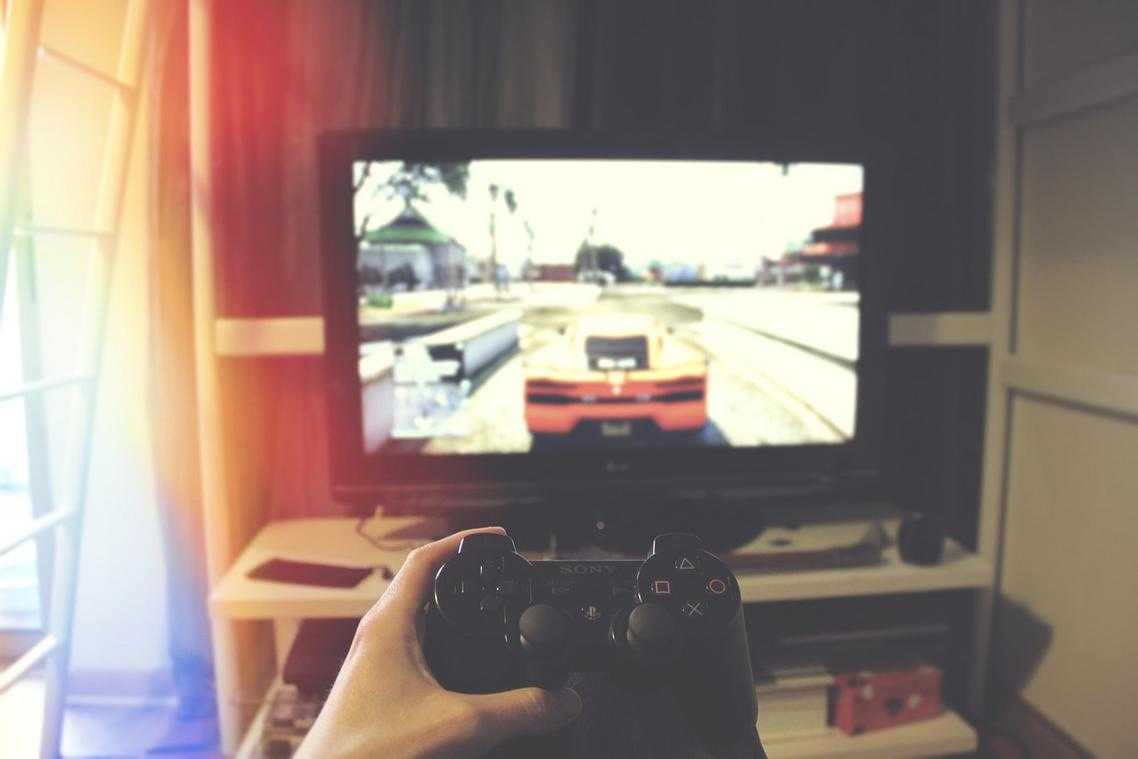
Your controller knows when you’re stressed.
I’m serious. The latest befitgametek gaming tech by befitnatic uses sensors that track how hard you’re gripping during intense moments. Then it adjusts the haptic feedback to match.
Some players say this is overkill. They argue that traditional rumble works just fine and all this extra tech just drains battery life faster.
Fair point.
But here’s what changes when your controller actually responds to you. That subtle click when you reload? It feels different than the jolt from an explosion. Because the system reads your grip pressure and scales the intensity.
You’re not getting the same generic buzz for everything anymore. I expand on this with real examples in Which Gaming Pc to Buy Befitgametek.
Haptics That Actually Learn
The sensors monitor tension in real time. When you’re calm, the feedback stays light. When you’re squeezing the controller during a firefight, it amplifies.
This isn’t about making everything stronger. It’s about making it feel right.
A sniper shot has a sharp, precise kick. A shotgun blast hits heavier. Your hands know the difference before your brain processes it.
Audio That Thinks
Now pair that with AI spatial audio that goes way beyond left and right channels.
The audio engine processes game sound as it happens. It doesn’t just tell you where an enemy is. It tells you what surface they’re walking on.
Footsteps on metal sound crisp and bright. Steps on carpet come through muffled and soft. Gunfire in a cave bounces off stone walls with that characteristic echo. As players navigate through immersive environments where footsteps on metal resonate sharply and gunfire echoes through cavernous walls, they can stay informed about the latest developments in the gaming world with the latest “Befitgametek Gaming Updates From Befitnatic.
I know what you’re thinking. Doesn’t regular surround sound do this already?
Not really. Standard directional audio gives you position. This gives you context. There’s a difference between hearing something to your left and hearing something to your left that’s moving across a wooden floor in a small room.
When They Work Together
Here’s where it gets interesting.
You’ll hear an enemy’s footsteps on the metal catwalk above you. At the same time, you’ll feel a faint vibration through your controller that matches the rhythm of those steps.
Your brain connects these signals faster than you realize. You react quicker because you’re processing information through multiple senses at once.
| Feature | Standard Setup | Biometric Haptics + AI Audio |
|---|---|---|
| ————- | ——————- | ———————————- |
| Feedback Type | Generic rumble | Grip-adjusted intensity |
| Audio Processing | Directional only | Material-aware positioning |
| Player Response Time | Delayed | Faster recognition |
| Environmental Detail | Basic | Surface-specific |
Some people will tell you this is just marketing fluff. That good players don’t need extra sensory input to win.
Maybe. But why handicap yourself?
The Real Advantage
This tech gives you more data without cluttering your screen. You’re not staring at a minimap trying to figure out if that sound came from above or below you.
You just know.
Your ears tell you it’s metal. Your hands tell you it’s close. You look up and there they are.
That split second matters. Especially when you’re playing against someone who’s still relying on basic audio cues (or worse, playing without headphones at all).
The question isn’t whether this technology works. It does. The question is whether you want that edge or not.
Because I promise you, someone in your lobby is already using it.
From Tech Specs to In-Game Dominance: Real-World Benefits
You’ve read the specs. You know the numbers.
But what does better gaming tech actually do for you when you’re in the middle of a match?
Let me break it down by what you actually play.
For FPS Players
Your reaction time matters more than your loadout. When you can hear footsteps half a second earlier, you’re already aiming at the door before they peek. Targets pop against backgrounds instead of blending in. You know exactly where that sniper is without scanning the entire map.
For RPG Enthusiasts I expand on this with real examples in Why Gaming Should Be a Sport Befitgametek.
The world stops feeling like a backdrop. Rain doesn’t just look wet anymore. You hear it hit different surfaces. Wind moves through trees with weight. Caves echo properly. You’re not just playing through a story. You’re there.
For Racing Sim Drivers
The road talks to you. You feel when tires start to slip before you see it. Engine strain tells you when to shift. Chassis feedback helps you nail apexes you used to miss. It’s the difference between guessing and knowing.
Some people say gear doesn’t matter if you’re not a pro. That skill beats equipment every time.
They’re half right. A bad player with great gear is still a bad player.
But here’s what they miss. Good gear doesn’t make you better. It removes the things holding you back.
When I test befitgametek gaming updates from befitnatic, I look for this exact thing. Does it actually change how you play or just how things look? In my quest to determine which gaming keyboard is best befitgametek, I analyze not only the aesthetic enhancements but also the tangible impact on gameplay performance that the latest befitnatic updates promise.Which Gaming Keyboard Is Best Befitgametek
The answer separates real upgrades from expensive decorations.
Your Games Will Never Be the Same
I’ve shown you how this new wave of gaming technology fixes the problems that have frustrated players for years.
Lag that costs you matches. Feedback that breaks immersion. Audio that can’t keep up with split-second decisions.
befitgametek gaming tech by befitnatic solves all of it. It predicts your moves before you make them. It creates feedback you can feel. It delivers sound that puts you inside the action.
This isn’t just better hardware. It’s a different way to play.
The gap between you and the game is closing. When your controller responds before you finish the input and your headset places footsteps with surgical precision, you’re not just playing anymore. You’re there.
This tech gives you an edge your opponents don’t have yet.
Here’s what you need to do: Look at how befitgametek gaming tech by befitnatic fits your setup. Think about the games where reaction time matters most. Consider what happens when you’re the one with zero input delay while everyone else is still catching up.
The competitive advantage is real. The immersion is undeniable.
Your next gaming session doesn’t have to feel like the last one. This technology changes that. Which Gaming Keyboard Is Best Befitgametek.
 Elyndra Vornhaven has opinions about game reviews and analysis. Informed ones, backed by real experience — but opinions nonetheless, and they doesn't try to disguise them as neutral observation. They thinks a lot of what gets written about Game Reviews and Analysis, Player Strategy Guides, Esports Updates and Highlights is either too cautious to be useful or too confident to be credible, and they's work tends to sit deliberately in the space between those two failure modes.
Reading Elyndra's pieces, you get the sense of someone who has thought about this stuff seriously and arrived at actual conclusions — not just collected a range of perspectives and declined to pick one. That can be uncomfortable when they lands on something you disagree with. It's also why the writing is worth engaging with. Elyndra isn't interested in telling people what they want to hear. They is interested in telling them what they actually thinks, with enough reasoning behind it that you can push back if you want to. That kind of intellectual honesty is rarer than it should be.
What Elyndra is best at is the moment when a familiar topic reveals something unexpected — when the conventional wisdom turns out to be slightly off, or when a small shift in framing changes everything. They finds those moments consistently, which is why they's work tends to generate real discussion rather than just passive agreement.
Elyndra Vornhaven has opinions about game reviews and analysis. Informed ones, backed by real experience — but opinions nonetheless, and they doesn't try to disguise them as neutral observation. They thinks a lot of what gets written about Game Reviews and Analysis, Player Strategy Guides, Esports Updates and Highlights is either too cautious to be useful or too confident to be credible, and they's work tends to sit deliberately in the space between those two failure modes.
Reading Elyndra's pieces, you get the sense of someone who has thought about this stuff seriously and arrived at actual conclusions — not just collected a range of perspectives and declined to pick one. That can be uncomfortable when they lands on something you disagree with. It's also why the writing is worth engaging with. Elyndra isn't interested in telling people what they want to hear. They is interested in telling them what they actually thinks, with enough reasoning behind it that you can push back if you want to. That kind of intellectual honesty is rarer than it should be.
What Elyndra is best at is the moment when a familiar topic reveals something unexpected — when the conventional wisdom turns out to be slightly off, or when a small shift in framing changes everything. They finds those moments consistently, which is why they's work tends to generate real discussion rather than just passive agreement.