A Year of Firefights and Mind Games
2026 didn’t just raise the bar it smashed it. Esports across the board delivered moments that had fans gripping their seats and analysts scrambling for breakdowns. Whether it was a 1v3 clutch with milliseconds left or a brilliant strategy switch that turned the tide of an entire tournament, this was the year the games went from intense to legendary.
Viewership numbers shattered records. From Twitch streams to broadcast partnerships, more eyes were glued to screens than ever before. People weren’t just watching they were invested. Every match had weight. Every round mattered.
And it wasn’t just raw skill on display. Strategy played a huge role: teams adapted in real time, countering tactics on the fly and bluffing opponents into misplays. The best matches were chess games at the speed of digital light. From comeback arcs to perfectly timed flanks, 2026 was a reminder of just how far esports has come and how far it can still go.
Valorant: Grand Finals Showdown EMEA vs. NA
Map 5. Overtime. It came down to mechanical precision and ice cold decision making. Every jiggle peek, every crosshair flick nothing was wasted. The margin for error was zero. EMEA’s sentinel player held down site B with pixel perfect utility, denying what looked like a guaranteed plant. NA’s duelists brought heat on the retake, turning what should’ve been a shut down defense into a high stress scramble.
The meta didn’t sit still either. Between Map 2 and Map 4, roles shifted. EMEA pivoted from a triple initiator setup to a more aggressive, lurk heavy composition. NA countered mid series with double controller setups, taking more map control and dictating pace. It was chess at 200 BPM.
And then came the plays that changed it all. A dry peek from NA in Round 27 turned into a double entry, breaking an economy lock. EMEA answered back with a no utility stack gamble that ended in a 1v1 clutch. The real kicker? Final round, final site, 3 seconds left NA’s spike plant completed just as the clock hit zero, and EMEA’s flanker missed the opening by half a second.
In matches this tight, victories aren’t earned they’re scraped together, round by round, call by call. And 2026’s Grand Finals gave us that at the absolute limit.
League of Legends: MSI’s Tiebreaker That Broke the Internet
It had the script of a classic: LCK’s scrappy underdogs clashing with the LPL’s well oiled juggernauts in a win or go home tiebreaker. On paper, it wasn’t close. LPL entered with a monster win streak, backed by clean macro, brutal laning, and icy map control. But the LCK squad had one thing they didn’t nothing to lose.
Draft phase was the first chessboard. LCK went off meta, grabbing a support Swain and hard engage combo built to force chaos. LPL answered with comfort picks, betting on raw skill matchups in mid and jungle. But the gamble didn’t land the way they expected. LCK’s mid laner, known more for utility than carry potential, picked Ahri and turned lane phase into a clinic out roaming, out timing, out witting. Suddenly, the map belonged to them.
The turning point? A 25 minute river fight over Baron vision. LCK baited with sacrificial vision, pulled LPL into the choke, and landed a five man Wombo Combo that burned three flashes and cracked open the mid lane. From that point, momentum shifted. Gold leads widened. Objectives fell. And LPL, for all their structure, couldn’t outmaneuver the instinct driven skirmishes that followed.
By the nexus explosion, chat was in meltdown, casters were breathless, and the term “LCK Miracle Run” had just been born.
CS2: Tactical Warfare at DreamHack Berlin
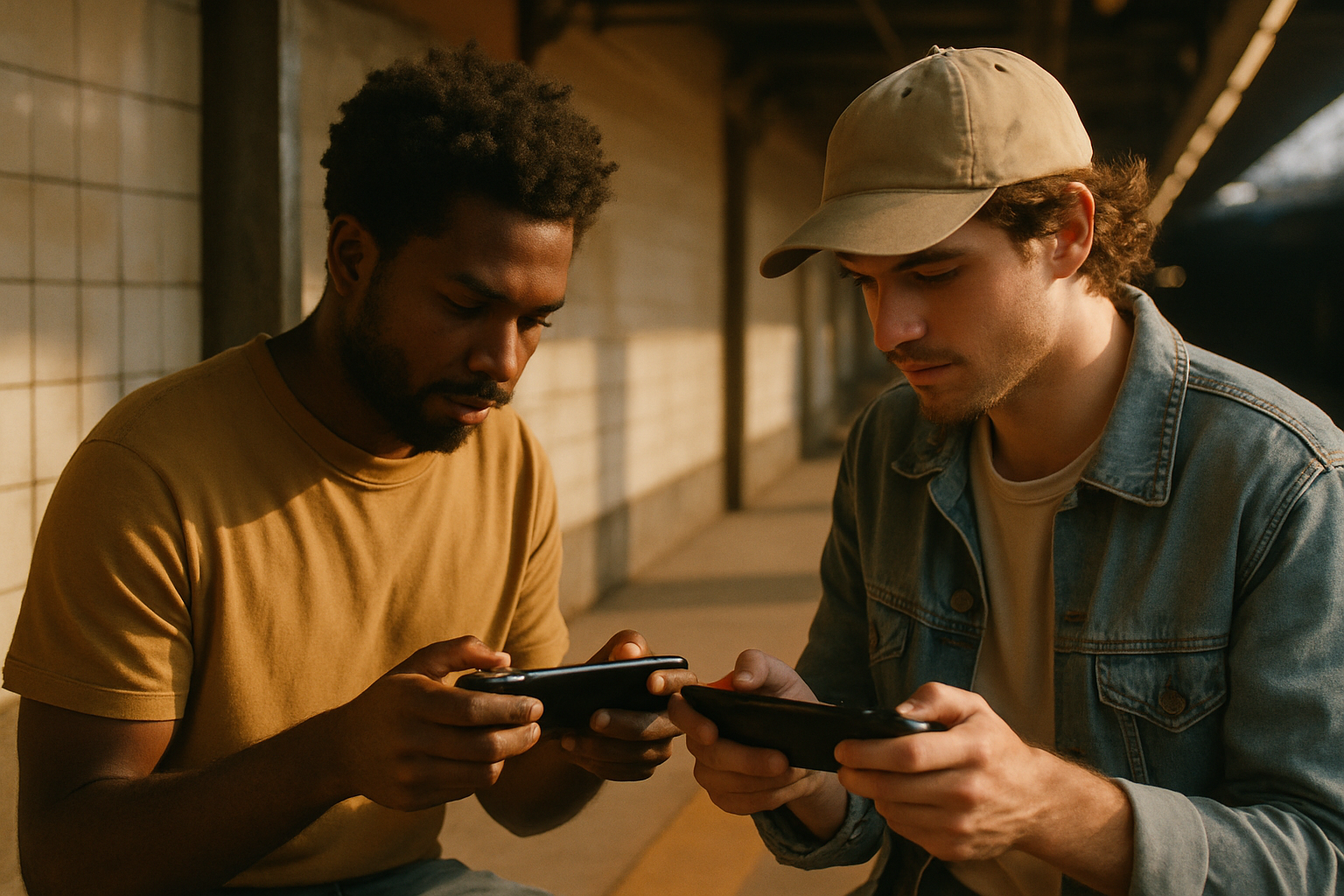
DreamHack Berlin delivered one of the most tightly contested CS2 series we’ve seen since launch. The Grand Finals pitted EU’s calculated precision against NA’s raw firepower in a best of five that demanded every ounce of strategy and composure. After going down 0 2, the comeback wasn’t just improbable it was surgical.
Map 1, Mirage, tilted early with NA controlling mid through flawless smoke lineups and fast connector splits. EU couldn’t establish rhythm, and aim duels leaned in NA’s favor. Map 2, Overpass, followed a similar script. NA exploited rotations with lightning fast executes and post plant setups that wasted zero seconds of utility. A 2 0 lead looked comfortable, maybe even final.
That’s when the shift happened. EU cracked open Map 3, Inferno, by choking off banana control every round. Tactical molly delays, CT side aggression at arch, and perfectly timed flashes began to stall NA’s pace. It wasn’t flashy. It was war by inches.
Map 4, Ancient, was a masterclass in patience. EU’s lurk timings were brutal, and their utility layering especially on B attacks left NA guessing. The mental fatigue started to show.
Map 5, Nuke, was where things got personal. Every round felt like a mini final. EU denied vent drops, sent aggressive ramp pushes, and punished NA’s economy with near flawless reads. By the time the score hit 13 13, analysts already admitted they’d underestimated the comeback possibility.
EU closed it out with a defuse through smoke moment that was half luck, half calculated gamble and completely unforgettable. What looked like a clean 3 0 sweep turned into one of the most tactically rich reverse sweeps of the season.
Rocket League: When Mechanics Met Madness
The 2026 Spring Championship gave us a series that will be etched into esports history. One team, down 0 3 in a best of seven final, clawed back game by game not on luck, but through grit, adjustment, and almost robotic focus. By the time Game 7 hit triple overtime, both teams were completely dialed in. Defenses were perfect, mechanics sharper than ever, and every challenge felt like it could decide a legacy.
Triple overtime wasn’t just long it was mental warfare. Players rotated endlessly, dodged boost starvation, and capitalized on micro mistakes. The eventual goal? A perfectly read flip reset that split two defenders textbook chaos. That should have been the end, but no. The final nail came in a zero second goal the next match ball in the air, clock at 0:00, a three second air dribble that tore the roof off the stadium. One of those moments you assume is scripted until you realize it’s real.
What made this reverse sweep legendary wasn’t just skill it was the psychological backbone it took to pull it off. Staying calm while losing, keeping trust in rotations, and maintaining synchronicity under pressure is uncommon. Both rosters were playing elite Rocket League, but one simply refused to break.
Where to Catch More Wild Tournament Moments
Looking to relive the most intense highlights of 2026? We’ve gathered the standout moments that fans are still talking about heart stopping clutches, massive comebacks, and unexpected upsets that redefined esports history.
What You’ll Find in the Highlights
Rare 1v4 and 1v5 clutches across CS2 and Valorant
Game deciding teamfights from League of Legends tournaments
Zero second goals and overtime miracles in Rocket League
Meta defying strategies that shocked analysts and casters
These aren’t just flashy plays they’re momentum shifters and legacy defining moves.
Why Watch?
Understand what made these moments so impactful
Get inspired by high level gameplay and decision making
Catch up on must see matches you may have missed
Explore the full breakdown here: Tournament Highlights The Top 5 to Rewatch
What Made 2026 Different
Across nearly every major title in 2026, player performance hit new highs. This wasn’t just about sharper aim or quicker dodges this was about full scope competitive evolution. Training regimens got smarter. Team comms were tighter. Mental prep stepped up. You could see it in the pixel perfect executes and the no flinch decision making in overtime. The ceiling got higher and players broke through it.
A key factor: mid season patches brought serious shake ups. In Valorant, tweaks to agent balance forced teams to adapt compositions on the fly. League of Legends saw subtle rune and item adjustments that flipped the meta mid tournament. Even Rocket League got a physics update that quietly changed movement dynamics. These weren’t patches you could ignore. They demanded quick reads and deeper prep.
Meanwhile, off the stage, the rise of live breakdowns and post game analytical streams gave new weight to high level play. Creators and former pros dissected games in real time, calling attention to micro decisions and missed opportunities. Viewers weren’t just watching they were learning. The bar for understanding the game rose alongside the bar for playing it.
2026 wasn’t just intense to watch. It was a turning point in how both players and fans approached the game.
Why These Matches Mattered
2026 wasn’t just another year of big plays it reshaped the playbook. Across titles, we saw a new level of viewer engagement. Fans weren’t just watching; they were studying, reacting live, and plugging into post match analytics in record numbers. Teams that dialed in precision execution and high clarity comms pulled ahead not just because of raw mechanics, but because they knew how to keep audiences locked in.
These matches didn’t just entertain. They set benchmarks. From Valorant’s adaptive loadouts to the League of Legends lane swaps that stunned even veteran analysts, coaching and preparation entered a higher gear. You could feel the meta shift live, and teams who failed to pivot got steamrolled.
And the legacy? These matches will be studied the way you watch a chess grandmaster’s game or a fighter pilot’s black box. They were highwire acts with long shadows blueprints for the next generation of players and coaches. The bar’s now higher. A lot higher.
More unforgettable tournament highlights here.
 Brandeeta Higdon has opinions about esports updates and highlights. Informed ones, backed by real experience — but opinions nonetheless, and they doesn't try to disguise them as neutral observation. They thinks a lot of what gets written about Esports Updates and Highlights, Player Strategy Guides, Upcoming Game Releases is either too cautious to be useful or too confident to be credible, and they's work tends to sit deliberately in the space between those two failure modes.