
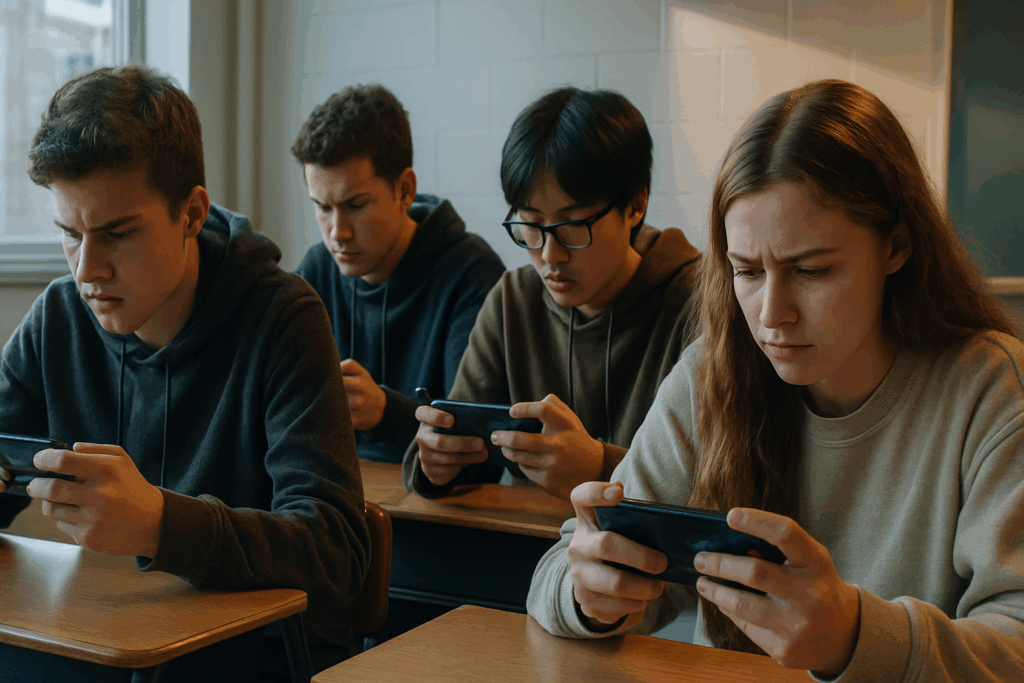
It’s Bigger Than You Think
Mobile gaming has outgrown its casual roots. What used to be the domain of puzzle games and time killers is now center stage in competitive esports. Titles like PUBG Mobile, Mobile Legends, and Free Fire aren’t fringe they’re massive. We’re talking tens of millions of daily players, prize pools in the millions, and full blown stadium events.
The real kicker? Accessibility. You don’t need a thousand dollar rig to play. A basic smartphone is enough to jump into matches, climb ranks, and even go pro. That means billions of people literally have a shot. From Brazil to Bangladesh, the playing field is more level than it’s ever been.
With this global spread comes fierce competition. Regional favorites are turning into global contenders, and scrappy underdogs are now top tier athletes. Mobile isn’t beginner mode anymore. It’s the battleground and it’s only getting bigger.
What’s Driving the Boom
Walk into any major city in India, a remote town in Brazil, or a buzzing street market in Indonesia you’ll find someone gaming on their phone. What changed? Mainly, access. Affordable smartphones with decent specs are everywhere, and mobile data is faster and cheaper than ever. That means millions of new players and, more importantly, millions of new viewers hungry to watch high stakes matches.
This surge is fueling a serious shift in competitive gaming geography. Regional tournaments in Southeast Asia, Latin America, and South Asia aren’t just warm ups anymore they’re headline events with international implications. Local stars are breaking out, and national rivalries are crossing borders through broadcasts.
Streaming platforms like YouTube Gaming, Trovo, and Facebook Live are throwing fuel on the fire. These services are giving mobile esports visibility beyond niche forums. Anyone with a decent phone and a signal can watch and the streamers? They’re building empires.
Behind the scenes, game publishers are leaning into this shift hard. They’re organizing mobile first leagues, funding prize pools, and turning mobile esports into a legitimate career path. It’s not just marketing it’s a strategy.
Want numbers and case studies to back this up? Check the deep dive on mobile esports growth.
Why Fans Are Showing Up

Mobile esports isn’t just growing it’s becoming more watchable, more personal, and more available. At its core, mobile gameplay is built for speed and simplicity. Matches are short, action is constant, and the interface is native to something we all know how to use: a phone screen. That makes it easy for fans to follow, even on the go.
There’s no layer of separation anymore. These players don’t need $5,000 gaming rigs or custom LED lit chairs. They’re playing in bedrooms, cafes, maybe even on the bus home. The relatability is a magnet. Fans see themselves in the players and that’s powerful.
This is also a moment for regional pride. From Jakarta to São Paulo, local players are rising fast and building global audiences. It’s a shift. You’re not just watching a game, you’re watching your neighbor climb the esports ladder in real time.
Streaming coverage has caught up, too. Fans can now track tournaments live, engage in real time chat, and even interact with players during broadcasts. The old barriers are gone. Mobile esports is less about prestige and more about access.
Want to see how deep this movement is running? Take another look at mobile esports growth.
What This Means for the Future
Mobile esports isn’t playing catch up anymore it’s setting the pace. Cross platform ecosystems are starting to take shape, letting mobile players square up with PC and console gamers more than ever before. While the hardware platforms stay different, the gameplay experiences, competition formats, and fanbases are converging.
Developers are leaning into this. Mobile versions of major titles aren’t just stripped down ports anymore they’re packed with features tailored for touchscreens and on the go play. Cross save, synchronized tournaments, and companion apps are standard fare now. The message is clear: mobile is no longer a secondary experience.
Brands are following suit. Sponsorships and partnerships are coming in from all sides hardware makers, apparel companies, even lifestyle brands. Companies that once only catered to elite PC gaming are seeing opportunity in the portable, more personal mobile scene.
The divide between mobile and “real” esports is disappearing. Prize pools are growing, tournaments are drawing global audiences, and players are making careers off their phones. Expect this trend to tighten. Fast.
Bottom Line
Mobile esports isn’t a flash in the pan it’s already rewriting how the industry operates. Tournaments now draw millions of live viewers. Prize pools are climbing. High level gameplay, once gatekept by expensive hardware, now happens on phones anyone can own. The shift isn’t just cultural it’s economic.
Investors, advertisers, and publishers aren’t guessing they’re betting real money. Mobile first leagues are expanding, brands are sponsoring mobile only teams, and developers are building games specifically to compete in this space.
Whether you’re a competitive player, a content creator, or someone looking to reach a global fanbase, mobile matters. The screens are smaller, but the stakes are massive. If your eyes aren’t already on mobile esports, now’s the time to look sharp.
 Brandeeta Higdon has opinions about esports updates and highlights. Informed ones, backed by real experience — but opinions nonetheless, and they doesn't try to disguise them as neutral observation. They thinks a lot of what gets written about Esports Updates and Highlights, Player Strategy Guides, Upcoming Game Releases is either too cautious to be useful or too confident to be credible, and they's work tends to sit deliberately in the space between those two failure modes.