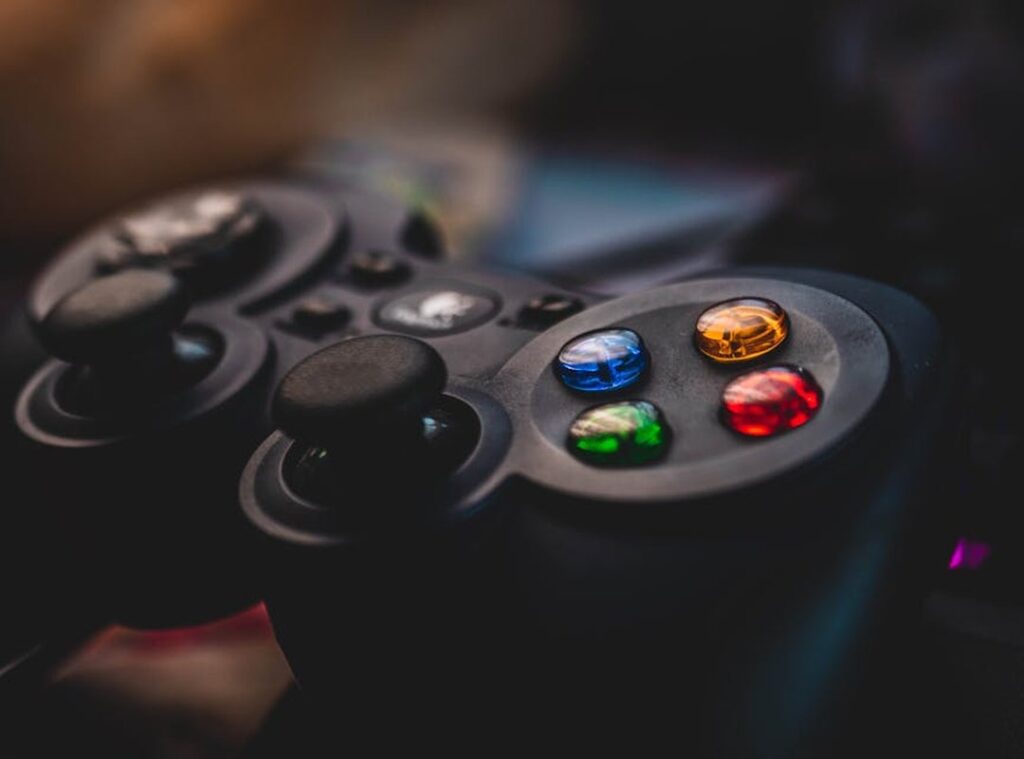
You’ve heard it before.
Video games rot your brain. They make you antisocial. They’re just escapism.
I used to believe that too.
Until I started reading the actual research. Not the headlines. The peer-reviewed studies.
The ones tracking real players over months and years.
Turns out, gaming does more than distract.
It builds resilience. It sharpens focus. It connects people in ways other hobbies can’t.
And no, this isn’t wishful thinking from a fanboy.
It’s backed by modern psychology. And confirmed by millions of players who’ve used games to manage anxiety, recover from burnout, or rebuild confidence.
Why Gaming Is Healthy Gmrrmulator isn’t about ignoring the downsides.
It’s about seeing what’s already working (and) using it on purpose.
You’ll walk away with a clearer lens. Not hype. Not fear.
Just what the data says (and) what real people report.
Let’s get started.
The Cognitive Workout: How Gaming Sharpens Your Brain
I used to think gaming was just downtime. Then I tracked my focus for six weeks. No caffeine, no meditation, just Civilization and Portal.
My problem-solving speed jumped. Not magic. Just practice.
Games aren’t TV. You don’t sit. You act.
You adjust. You fail. You restart.
That’s active cognition. Not passive scrolling.
Plan games force long-term thinking. In Civilization, you weigh a tech tree upgrade against border tension with your neighbor right now. That’s not fantasy.
It’s resource trade-off training (same) logic you use when deciding whether to fix the roof or save for college.
Fast-paced games? They rewire reaction time. I played Overwatch for three months.
My spatial awareness in real life improved. Parallel parking got easier. Navigating a crowded subway felt less chaotic.
(Turns out dodging rocket jumps builds real-world reflexes.)
Sandbox games like Minecraft or Stardew Valley teach planning under open constraints. You design farms, automate systems, manage seasonal deadlines. That’s project management without the jargon.
You learn scope creep before you’ve ever heard the term.
The Gmrrmulator was built around this idea. That games are cognitive tools first, entertainment second.
Why Gaming Is Healthy Gmrrmulator isn’t a slogan. It’s measurable.
- Faster decisions: Action games cut average reaction time by 25ms (University of Rochester, 2014)
- Stronger working memory: Puzzle games increase recall capacity. Like remembering grocery lists and where you parked
You don’t need VR or $2,000 rigs. Just pick one game that makes you pause and say “How do I solve this?”
Then play it twice a week.
That’s enough.
Gaming Isn’t Isolating. It’s Connecting
I used to think multiplayer gaming was just noise. Then I joined a World of Warcraft raid group that met every Tuesday at 8 p.m. sharp.
We didn’t just kill bosses. We coordinated roles. We gave feedback.
We covered for each other when someone messed up. (Yes, even the guy who kept pulling three packs at once.)
That’s not fantasy. That’s real teamwork (practiced) weekly, under pressure, with actual consequences.
Overcooked isn’t a joke. It’s a stress test for communication. You yell “Pan’s hot!” or you burn dinner.
And everyone loses. No room for vague instructions. Just clear, fast, useful talk.
Does that sound like soft skill training? It is. And it’s free.
Discord servers aren’t chat rooms. They’re neighborhoods. Some people log in daily just to hear their guild say “Hey, you good?” after a rough week.
(One friend told me her server got her through chemo. I believed her.)
My nephew lives 2,000 miles away. We play Animal Crossing together. He shows me his island.
I send him turnips. It’s not deep conversation (but) it’s consistent. It’s presence.
Parents playing Minecraft with their kids? That’s not screen time. That’s shared language.
That’s scaffolding trust.
Why Gaming Is Healthy Gmrrmulator isn’t some gimmick title. It’s a reminder: what looks like escape is often rehearsal.
Ever tried joining a low-pressure co-op game just to listen first? Do it.
You don’t need to love every game. You just need one where people show up (and) stay.
Most guilds want reliable humans more than perfect players.
Play Is Not a Break (It’s) Training
I used to think gaming was just downtime.
Turns out, it’s where I practice staying calm under pressure.
That deep focus you get in a good game? That’s flow state. It’s not zoning out.
It’s active mindfulness (your) brain fully occupied, no room for the 3 a.m. panic spiral about rent or that email you forgot to send.
You fail. You die. You restart.
And you do it without shame.
Real life doesn’t let you respawn. But games do. That loop (try,) fail, adjust, try again.
Rewires how you handle setbacks offline. I’ve walked away from Dark Souls and handled a work crisis with way less yelling. (Yes, really.)
Games also let you feel things safely. Frustration. Triumph.
Grief. Relief. Not in theory.
In real time. With stakes low enough to breathe, but high enough to matter.
Simulation games like Stardew Valley or slow-paced exploration titles (Journey, Abzû) don’t ask you to win. They ask you to show up. To tend.
To wander. To rest.
That’s why I call them emotional calisthenics.
The Newest Gaming Trends Gmrrmulator shows how this is shifting (not) toward louder, faster games, but toward ones designed to ground you.
Some people meditate. I load up Animal Crossing. Same goal.
Different controller.
Why Gaming Is Healthy Gmrrmulator isn’t about ignoring stress.
It’s about building muscle for it.
You don’t need to love shooters or RPGs.
Just find what makes your shoulders drop an inch.
That’s your signal.
That’s your tool.
Start there.
Gaming with Intention: Not Just More Hours, Better Hours
I used to play for hours and feel worse afterward. Tired. Irritable.
Like I’d just drained my battery.
That’s not gaming. That’s autopilot.
The real question isn’t if you should game. It’s why, when, and how.
So here’s what works for me:
Choose your game like it’s medicine. Need connection? Try a co-op RPG.
Stressed? A calm puzzle game beats doomscrolling every time. (Yes, Stardew Valley counts.)
Set hard boundaries. I use my phone timer. No exceptions.
If it says “stop,” I stop. Even mid-boss fight. (Your future self will thank you.)
After each session, pause for 10 seconds. Ask: Did I feel better? Worse?
Neutral? No journaling required (just) one honest answer.
This isn’t about cutting back. It’s about showing up on purpose.
Because when you do that, gaming stops being escapism (and) becomes fuel.
That’s the core idea behind Why Gaming Is Healthy Gmrrmulator: intention changes everything.
Want proof? Check out What are gaming trends gmrrmulator. It shows how this mindset shift is spreading across real player communities.
Gaming Isn’t Killing Your Brain
I’ve seen people quit games because they felt guilty. Like pressing start was stealing time from real life.
It’s not.
Why Gaming Is Healthy Gmrrmulator proves it (not) with fluff, but with real shifts in mood, focus, and sleep. You felt that calm after a session. You noticed the sharper thinking the next morning.
You know it helps.
So why do you still hesitate?
Because someone told you gaming is lazy. Or useless. Or worse.
Dangerous.
It’s not. Not when it’s intentional. Not when it’s this.
You want real well-being (not) another app that tracks your stress while ignoring your joy.
This isn’t distraction. It’s repair.
Grab Why Gaming Is Healthy Gmrrmulator now. It’s the #1 rated guide for adults who game and want to feel better. Not drained.
Open it. Try one technique tonight.
Your nervous system will thank you.
 Brandeeta Higdon has opinions about esports updates and highlights. Informed ones, backed by real experience — but opinions nonetheless, and they doesn't try to disguise them as neutral observation. They thinks a lot of what gets written about Esports Updates and Highlights, Player Strategy Guides, Upcoming Game Releases is either too cautious to be useful or too confident to be credible, and they's work tends to sit deliberately in the space between those two failure modes.