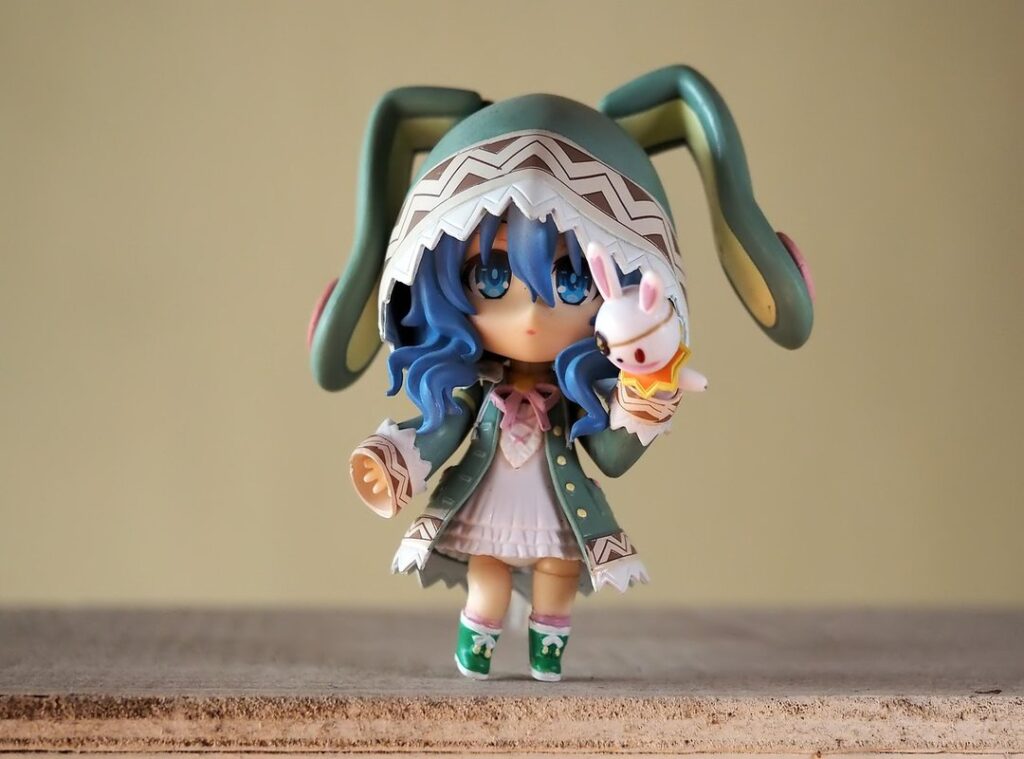
I love kawaii bases and chibi art, and they’re just so darn cute, right? But let’s be real, starting out can feel a bit overwhelming.
You might be wondering, where do I even begin? Well, you’re in luck. This article is here to break it all down for you.
We’ll cover the basics, give you some step-by-step instructions, and even throw in some practical examples. So, if you’re ready to dive into the world of kawaii bases and chibi art, let’s get started.
What Are Kawaii Bases and Chibi Art?
Kawaii is a Japanese term that means “cute” or “adorable.” It’s more than just a word; it’s a cultural phenomenon. You see kawaii everywhere in Japan, from cute mascots to everyday products. It’s all about embracing cuteness and positivity.
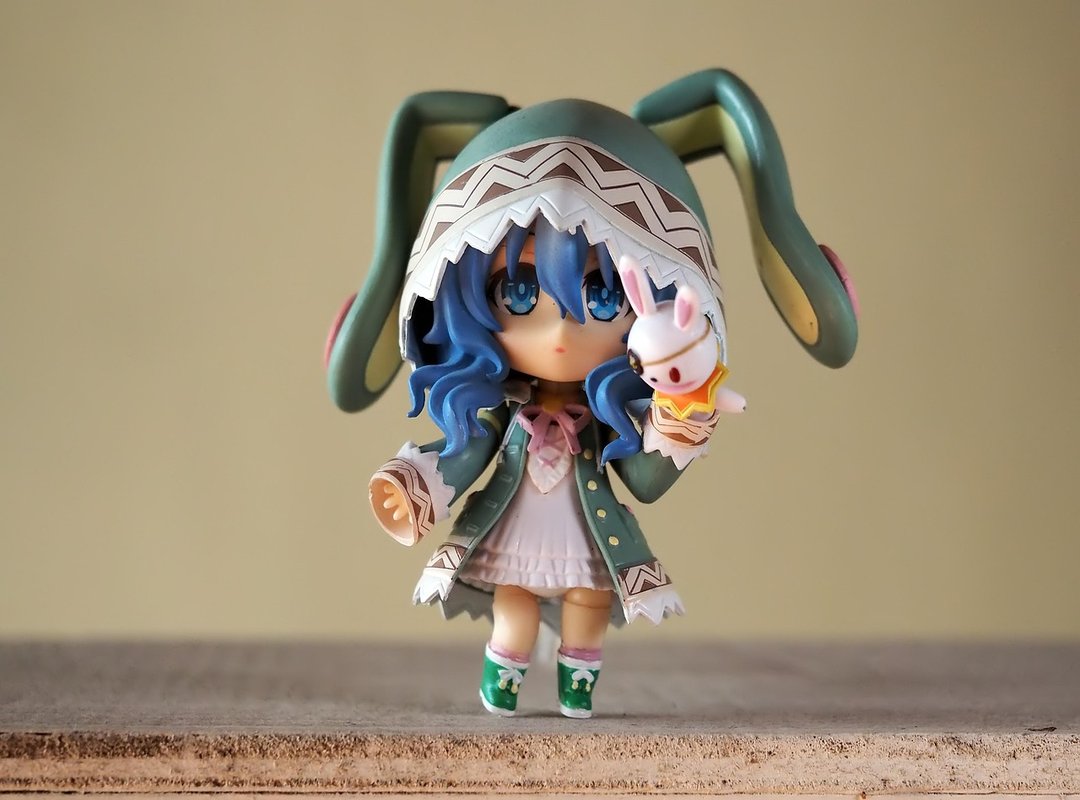
Chibi, on the other hand, is a specific art style. It features characters with exaggerated features—big heads, small bodies, and large, expressive eyes. Chibi art is often used to create a cute, endearing look, but it’s not the same as kawaii.
Chibi focuses more on the proportions and simplicity of the character.
Now, let’s talk about kawaii bases. These are pre-drawn templates or outlines that artists use as a starting point for their kawaii and chibi art. They’re essential because they help maintain consistency and make the creative process easier.
Honestly, I’m not an expert on every aspect of kawaii and chibi art. But what I do know is that kawaii bases chibi can be a game-changer for artists who want to create consistent, adorable artwork. They provide a solid foundation, which is especially helpful if you’re just starting out.
How to Create Kawaii Bases
Creating kawaii bases is like baking a cake. You need the right ingredients and a good recipe. Let’s start with the basics.
Materials Needed
- Pencils (for sketching)
- Paper (or a digital tablet if you’re going digital)
- Eraser (to fix those little oopsies)
- Fine liners or pens (for inking)
- Colored pencils, markers, or digital brushes (for adding color)
Step-by-Step Guide
First, grab your pencil and paper. Think of it as laying the foundation for a house. Start with a simple circle for the head.
This is your base, just like the blueprint of a building.
Next, add a small rectangle below the circle for the body. It’s like adding the first floor to your house. Keep it simple.
Now, draw two small circles on the sides of the head for cheeks. These are like the windows that give your character a cute, expressive look.
For the eyes, draw two large, round shapes. Add pupils and a tiny sparkle for that extra kawaii touch. Think of them as the lights that make your room cozy.
Add a small, curved line for the mouth. It’s like the welcome mat at your door, making your character inviting and friendly.
Once you’re happy with your sketch, it’s time to ink. Use fine liners or pens to trace over your pencil lines. Be steady, but don’t worry if it’s not perfect.
A little wobble can add to the charm.
Finally, it’s time to add color, and choose soft, pastel shades. It’s like picking the right paint for your walls—colors that make the space feel warm and welcoming.
Tips and Tricks
Use simple shapes. Circles, ovals, and rectangles are your best friends. They’re like the building blocks of a child’s toy set—easy to use and always effective.
Keep features expressive. Big, sparkly eyes and a tiny, curved mouth can say a lot without saying anything at all. It’s like using emojis in a text message—simple but powerful.
Don’t be afraid to experiment, and try different hairstyles, accessories, and outfits. It’s like trying on different clothes to see what looks best.
Sometimes, the unexpected works wonders.
Remember, kawaii bases chibi are all about simplicity and cuteness. With these steps and tips, you’ll be creating adorable characters in no time.
Transforming Kawaii Bases into Chibi Characters
Chibi characters are all the rage, and for good reason. They’re cute, they’re fun, and they’re a great way to express creativity. Let’s dive into what makes them so special. Befitgametek
Key Elements of Chibi Character Design
First off, chibi characters have large heads and small bodies. This gives them that adorable, childlike appearance. Their features are also exaggerated, making their expressions and actions more noticeable.
It’s like turning up the volume on cuteness.
Customizing Kawaii Bases
Now, let’s talk about customizing kawaii bases chibi. You start with a basic template, but the real magic happens when you add your own flair. Change the expressions, tweak the poses, and suddenly, you’ve got a unique character.
How do you do it? Start by choosing a base that resonates with you. Then, think about the personality you want to bring out.
A simple change in the eyes or mouth can make a big difference. For example, adding a wink or a smile can give your character a playful vibe.
Examples of Transformed Kawaii Bases
Let’s break it down with some examples. Here’s a table showing how different elements can be adjusted to create unique chibi characters:
| Base | Expression | Pose | Result |
|---|---|---|---|
| Basic Kawaii Base | Happy Smile | Waving Hand | Friendly and Welcoming Character |
| Basic Kawaii Base | Sad Frown | Crossed Arms | Grumpy and Relatable Character |
In the first row, we see a basic kawaii base transformed with a happy smile and a waving hand. This creates a friendly and welcoming character. In the second row, a sad frown and crossed arms turn the same base into a grumpy, relatable character.
By playing around with these elements, you can create a wide range of chibi characters. Each one can have its own unique personality and story. So, go ahead and get creative.
Your next chibi masterpiece is just a few tweaks away.
FAQs About Kawaii Bases and Chibi Art
Q: What is the difference between kawaii and chibi art?
A: Great question. Kawaii art focuses on cuteness, often with pastel colors and adorable, simple designs.
Chibi art, on the other hand, is a style that depicts characters in a super deformed, small, and cute way. They overlap because both aim for a cute and endearing look, but chibi specifically emphasizes the small, exaggerated features.
Q: Do I need to be an experienced artist to create kawaii and chibi art?
A: Not at all. Anyone can start with the right guidance and practice.
These styles are known for their simplicity and accessibility, making them perfect for beginners. With some basic tutorials and a bit of patience, you can create charming kawaii bases chibi art in no time.
Q: Can kawaii and chibi art be used for commercial purposes?
A: Yes, definitely. Many artists use these styles for merchandise, illustrations, and even in digital content.
However, it’s crucial to focus on originality and respect copyright laws. Copying someone else’s work, even if it’s just for inspiration, can get you into legal trouble. So, always create your own unique designs.
Practical Examples and Inspiration
Let’s dive into some kawaii and chibi art. It’s always fun to see how different artists bring their unique styles to life. Some might use bold, vibrant colors, while others go for a softer, more pastel look.
kawaii bases chibi is a great way to start if you’re new to this style. It gives you a simple, cute base to work from.
You can find a lot of inspiration online. Look for tutorials on YouTube or Instagram. There are also communities on platforms like DeviantArt where artists share their work and offer tips.
Don’t be afraid to experiment. Try out different techniques and see what works for you. Your style will evolve over time, and that’s part of the fun.
Remember, there’s no one right way to create kawaii and chibi art. The most important thing is to enjoy the process and let your creativity flow.
Mastering Kawaii Bases and Chibi Art
Recap the key points covered in the article, including the definitions, steps, and tips for creating kawaii bases chibi. The journey to mastering these art forms is filled with creativity and fun. With practice and creativity, anyone can master these art forms.
Encourage readers to share their creations and continue learning and growing in the world of kawaii and chibi art.
 Patricia Pauleyesters writes the kind of expert insights content that people actually send to each other. Not because it's flashy or controversial, but because it's the sort of thing where you read it and immediately think of three people who need to see it. Patricia has a talent for identifying the questions that a lot of people have but haven't quite figured out how to articulate yet — and then answering them properly.
They covers a lot of ground: Expert Insights, Game Reviews and Analysis, Upcoming Game Releases, and plenty of adjacent territory that doesn't always get treated with the same seriousness. The consistency across all of it is a certain kind of respect for the reader. Patricia doesn't assume people are stupid, and they doesn't assume they know everything either. They writes for someone who is genuinely trying to figure something out — because that's usually who's actually reading. That assumption shapes everything from how they structures an explanation to how much background they includes before getting to the point.
Beyond the practical stuff, there's something in Patricia's writing that reflects a real investment in the subject — not performed enthusiasm, but the kind of sustained interest that produces insight over time. They has been paying attention to expert insights long enough that they notices things a more casual observer would miss. That depth shows up in the work in ways that are hard to fake.
Patricia Pauleyesters writes the kind of expert insights content that people actually send to each other. Not because it's flashy or controversial, but because it's the sort of thing where you read it and immediately think of three people who need to see it. Patricia has a talent for identifying the questions that a lot of people have but haven't quite figured out how to articulate yet — and then answering them properly.
They covers a lot of ground: Expert Insights, Game Reviews and Analysis, Upcoming Game Releases, and plenty of adjacent territory that doesn't always get treated with the same seriousness. The consistency across all of it is a certain kind of respect for the reader. Patricia doesn't assume people are stupid, and they doesn't assume they know everything either. They writes for someone who is genuinely trying to figure something out — because that's usually who's actually reading. That assumption shapes everything from how they structures an explanation to how much background they includes before getting to the point.
Beyond the practical stuff, there's something in Patricia's writing that reflects a real investment in the subject — not performed enthusiasm, but the kind of sustained interest that produces insight over time. They has been paying attention to expert insights long enough that they notices things a more casual observer would miss. That depth shows up in the work in ways that are hard to fake.