
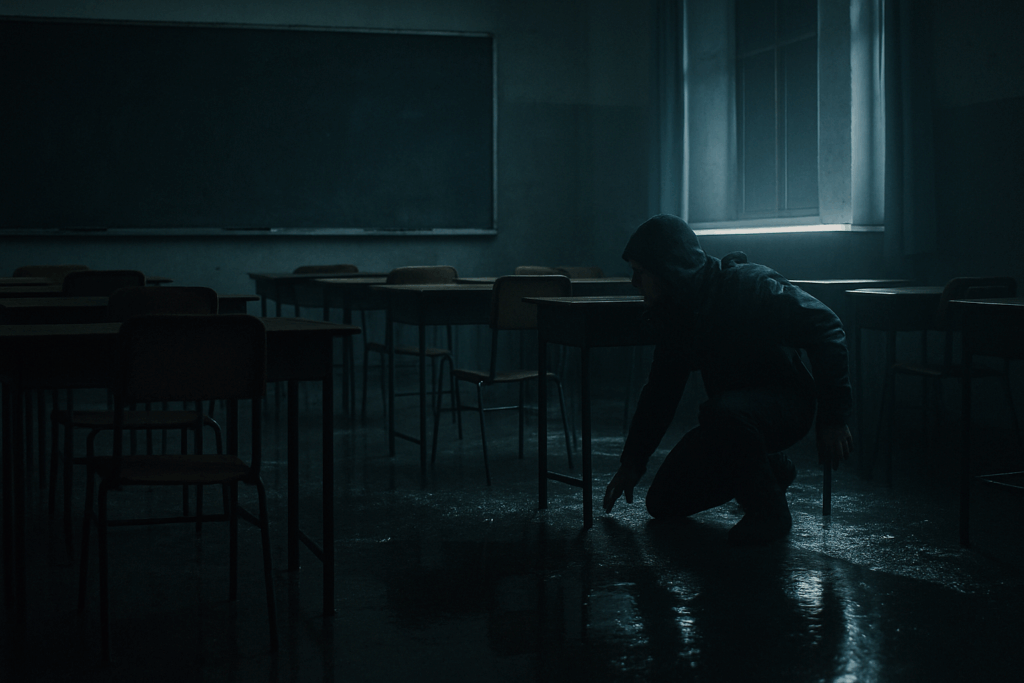
Know Your Environment
Stealth lives and dies by how well you understand the space you’re moving through. Darkness is your first ally stick to the shadows and steer clear of exposed walkways. Cover isn’t just for firefights; walls, crates, and doorframes can make or break your run. Use them like a second skin.
Enemy patrols follow patterns. Do your homework. Watch their routes. There’s rhythm in repetition, and if you time it right, that blind spot between two turns is your window. Rushing past without observation? That’s a rookie mistake.
And don’t forget to look up. Or down. Rooftops, vents, ledges they’re often underused and under guarded. Verticality opens paths most players miss. Take the high road when things look tight. You’ll see more, risk less, and move freer.
Stealth isn’t just sneaking. It’s owning the map before the game even knows you’re there.
Timing Is Everything
Stealth isn’t about speed. It’s about control. And control starts with patience. Charging in gets you nothing but alarms and reload screens. Wait. Watch. Let the moment come to you. There’s always a blind spot, a pattern, a gap. Find it and move.
Enemy patrols aren’t random they loop. Time their line of sight. Slip through during the turn, the pause, the yawn. Learn their rhythm like a beat. You’re not reacting you’re anticipating.
Distractions are tools, not toys. Tossing a bottle into the dark isn’t enough. Know what you want the enemy to do. Lure them into cover, pull them away from chokepoints, break their formation. Use alternate routes you scouted out earlier. No noise for noise’s sake. Every move should buy you space or time.
Rush the wrong second, and you burn the whole run. Wait the extra heartbeat and the map opens up like it was built for you.
Tools of the Trade
Your stealth build is only as strong as the tools you bring into the mission. Understanding your gear what it does, when to use it, and how to manage it can mean the difference between a clean getaway and total chaos.
Know Your Loadout
Before heading into any mission, check your inventory. Each tool has a purpose, and knowing how to use them effectively is crucial.
Silenced weapons should be your go to in emergencies quiet takedowns without the alert level spike.
Gadgets like noise emitters, EMPs, or sonar scanners are great for distraction and recon.
Traps (like mines or shock snares) are helpful but loud use for area denial or as a last resort.
Resource Management Matters
Most high powered tools are limited use, so they need to be used strategically.
Don’t waste gear on easy encounters save items for tense choke points or multi guard sections.
Conserve ammunition and trap supplies by using the environment creatively shadows, ledges, and timing.
Cooldowns Can Betray You
Using a gadget at the wrong time or underestimating its recharge can leave you wide open.
Track cooldown timers and stay aware of what’s ready to deploy.
If something fails mid mission, you’ll need a Plan B whether that’s stealth movement or a quick escape route.
Smart tool use keeps you in control and one step ahead of enemy detection.
Mastering Enemy Behavior

AI may not think like humans, but it’s programmed with rules and if you want to stay hidden, you’d better learn them. Sound, sight, and suspicion levels make up the holy trinity of stealth detection. Every footstep, door creak, and body drop spikes your noise profile. Stay crouched, move slow, and avoid clutter. Visually, enemy vision cones are usually wider than you think, especially in well lit areas stick to shadows when you can.
Most games break enemy awareness into phases: yellow means suspicious, red means they’re onto you. Yellow gives you time to relocate, throw a distraction, or just stop moving. If you go red, expect backup and tighter patrols. Whatever you do, don’t panic panic is noisy.
One more rule: don’t leave a mess. Dead bodies or unconscious guards left in plain sight trigger chain reactions. Alarms get raised, routes shift, and your sleek ghost run turns into a loud, chaotic scramble. Use closets, dumpsters, tall grass anything to keep your tracks clean. If stealth is an art, cleanup is the brushwork.
Blend In or Go Ghost
Stealth isn’t just about staying low and moving in the shadows. It’s about knowing when not to move at all. Sometimes, the smarter play is to avoid a zone entirely rather than thread the needle. Dead ends with too many enemies? Reroute. Empty hallway with a single distracted guard? Go for it. The pros don’t just sneak they choose their moments.
Your build matters too. A non lethal setup think chokeholds, EMPs, sleep darts keeps your threat level low and options open. But it’s slower. More calculated. Lethal builds are faster and messier, but pile on risk. One mistake and the whole level wakes up. Your playstyle should match your patience level and the mission goals.
Ghost runs take it even further. No detections, zero enemies neutralized, and not a shadow out of place. It’s the purest form of stealth and the hardest. You’ll need tighter movement, exact timing, and deep map knowledge. But if you can pull it off, the payoff is real: unique rewards, added XP, and that unbeatable feeling of outsmarting the entire system.
Learn from the Pros
If you want to master stealth, start by learning from the best. Classic games like Metal Gear Solid, Splinter Cell, and Hitman didn’t just set the gold standard they built the entire blueprint. Study these titles. Understand how they teach you to listen, observe, and move with intent. Notice the way they balance risk and patience.
Then, go deeper. Watch speedruns or high level replays. Pros don’t just finish the mission they do it efficiently, cleanly, and under pressure. You’ll catch tricks you missed the first (or fiftieth) time through hidden paths, timing exploits, even how to manipulate AI behavior.
Finally, practice isn’t optional. You build stealth skills the hard way: through reps. Muscle memory isn’t about flashy moves; it’s about doing the basics so well they’re automatic. Move quiet. Think fast. React faster. The more you train your hands and reflexes, the less you have to rely on luck when things go loud.
Want More Tactical Tips?
Check out the full stealth gameplay guide for deep dive strategies, gear loadouts, and movement hacks. Whether you’re ghosting through enemy lines or setting silent traps, this guide arms you with the everything you need edge to dominate any stealth based game.
 Patricia Pauleyesters writes the kind of expert insights content that people actually send to each other. Not because it's flashy or controversial, but because it's the sort of thing where you read it and immediately think of three people who need to see it. Patricia has a talent for identifying the questions that a lot of people have but haven't quite figured out how to articulate yet — and then answering them properly.
They covers a lot of ground: Expert Insights, Game Reviews and Analysis, Upcoming Game Releases, and plenty of adjacent territory that doesn't always get treated with the same seriousness. The consistency across all of it is a certain kind of respect for the reader. Patricia doesn't assume people are stupid, and they doesn't assume they know everything either. They writes for someone who is genuinely trying to figure something out — because that's usually who's actually reading. That assumption shapes everything from how they structures an explanation to how much background they includes before getting to the point.
Beyond the practical stuff, there's something in Patricia's writing that reflects a real investment in the subject — not performed enthusiasm, but the kind of sustained interest that produces insight over time. They has been paying attention to expert insights long enough that they notices things a more casual observer would miss. That depth shows up in the work in ways that are hard to fake.
Patricia Pauleyesters writes the kind of expert insights content that people actually send to each other. Not because it's flashy or controversial, but because it's the sort of thing where you read it and immediately think of three people who need to see it. Patricia has a talent for identifying the questions that a lot of people have but haven't quite figured out how to articulate yet — and then answering them properly.
They covers a lot of ground: Expert Insights, Game Reviews and Analysis, Upcoming Game Releases, and plenty of adjacent territory that doesn't always get treated with the same seriousness. The consistency across all of it is a certain kind of respect for the reader. Patricia doesn't assume people are stupid, and they doesn't assume they know everything either. They writes for someone who is genuinely trying to figure something out — because that's usually who's actually reading. That assumption shapes everything from how they structures an explanation to how much background they includes before getting to the point.
Beyond the practical stuff, there's something in Patricia's writing that reflects a real investment in the subject — not performed enthusiasm, but the kind of sustained interest that produces insight over time. They has been paying attention to expert insights long enough that they notices things a more casual observer would miss. That depth shows up in the work in ways that are hard to fake.